
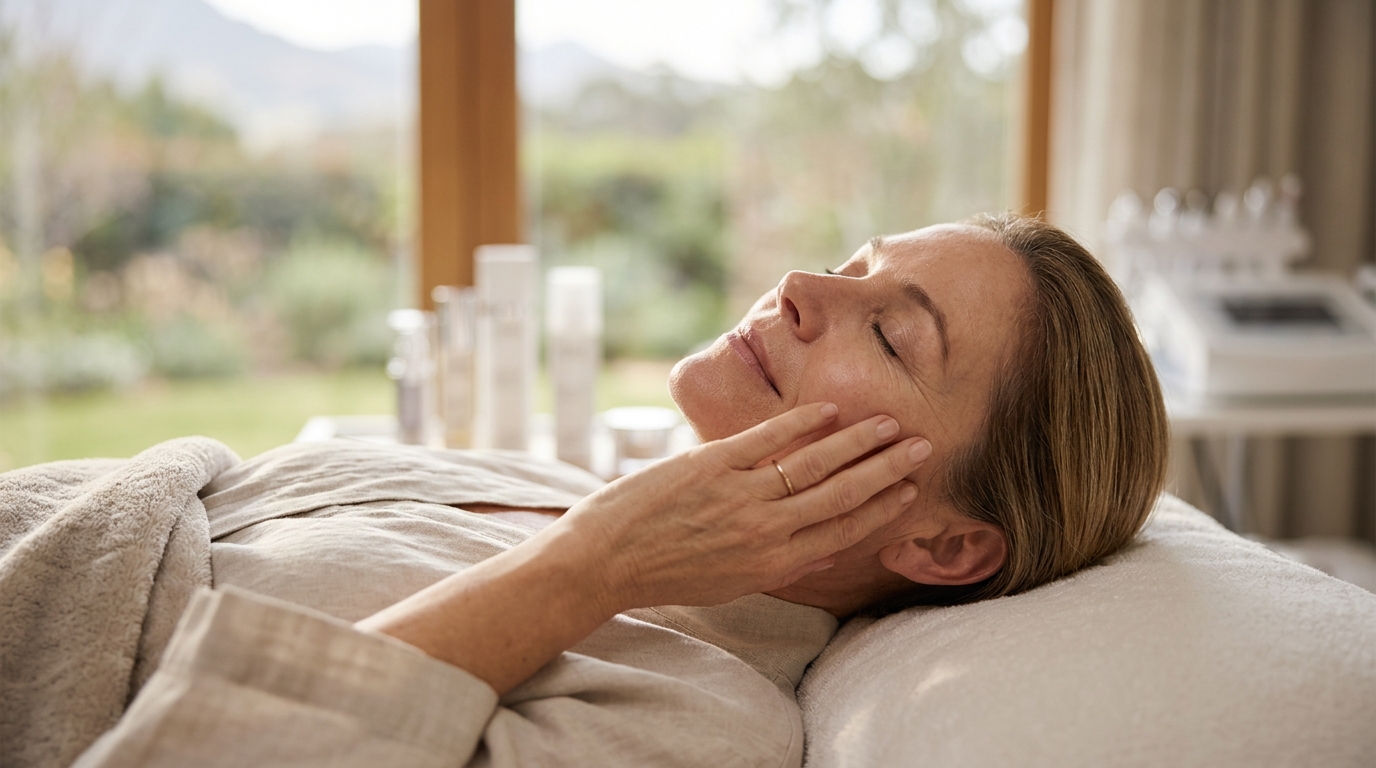
Superficial peels are a gentle chemical exfoliation treatment that removes the outermost layer of dead skin cells to reveal brighter, smoother skin underneath. At Skin Care With Dory in Boulder, Colorado, we emphasize that the ideal frequency depends on your skin type, the specific peel solution used, and your personal goals. Consistency is key to maintaining the benefits of these treatments throughout the year.
1. Standard Maintenance: Every 4 to 6 Weeks
For most clients, a 4 to 6-week interval is the gold standard for maintaining results. This schedule aligns with the natural skin cell turnover cycle, which typically takes about 28 days. By scheduling your superficial peel during this window, you ensure that your skin has fully healed and renewed before the next treatment. This rhythm helps prevent over-exfoliation while keeping your complexion consistently radiant.
2. Seasonal Adjustments for Boulder’s Climate
Adjust your frequency based on the season to accommodate environmental stressors. Boulder’s high altitude and dry air can dehydrate skin, especially in winter. During these months, you may need to extend the interval to 6 to 8 weeks to allow your skin barrier to recover. In the milder spring and fall, you might comfortably stick to the 4-week mark. Always consult with your esthetician to tailor this to your current skin condition.
3. First-Time Clients: Start with a 6-Week Gap
If you are new to chemical peels, space your first few sessions at least 6 weeks apart. This allows you to observe how your skin reacts to the treatment without the risk of compounding irritation. It also gives your esthetician time to assess your progress and adjust the strength of the peel if necessary. Patience during this initial phase ensures a safer and more effective long-term routine.
4. Sensitive Skin: Extend to 8 Weeks or More
Clients with sensitive or reactive skin should consider a longer interval of 8 weeks or more. Sensitive skin has a thinner barrier and is more prone to redness and irritation. A longer recovery period allows the skin to rebuild its protective layer and maintain hydration. At Skin Care With Dory, we often recommend lighter formulations for these clients to ensure comfort and safety.
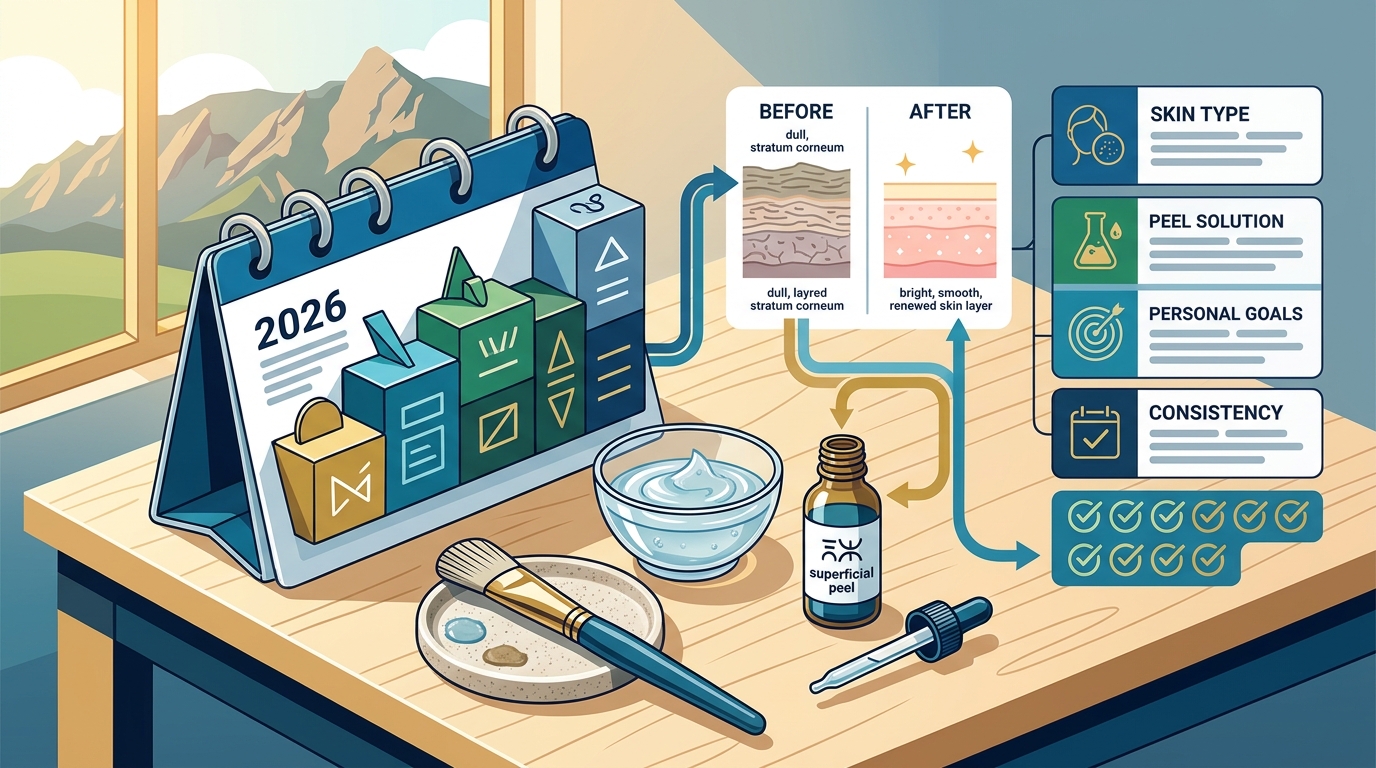
5. Pre-Event Boost: 2 to 3 Weeks Before
For a special event, schedule a superficial peel 2 to 3 weeks in advance. This timing allows any temporary redness or flaking to resolve, leaving you with fresh, glowing skin on the big day. Avoid scheduling a peel immediately before the event, as the peak of the healing process may coincide with your date. This strategic timing ensures you look your best without any unexpected skin reactions.
6. Combining with Other Treatments
When combining peels with other treatments like microneedling or LED therapy, space them out. It is generally recommended to wait at least 2 to 4 weeks between a chemical peel and a more aggressive treatment like microneedling. This prevents overwhelming your skin and allows each treatment to work effectively. Your esthetician can help you create a customized schedule that integrates multiple services safely.
7. Annual Review: Reassess Your Frequency
Reassess your peel frequency at least once a year as your skin changes. Hormonal shifts, aging, and lifestyle changes can affect how your skin responds to treatments. A yearly review with your esthetician ensures that your schedule remains optimal for your current needs. This proactive approach helps you stay ahead of any new skin concerns and maintains your overall skin health.
Choosing the Right Frequency for You
The best frequency for superficial peels is one that balances your skin’s healing capacity with your aesthetic goals. Start with a conservative schedule and adjust based on how your skin responds. Always prioritize professional guidance to ensure safe and effective results.
Frequently Asked Questions
How often should I get a superficial peel if I have oily skin?
Oily skin may tolerate more frequent treatments, potentially every 3 to 4 weeks. However, it is still important to monitor for signs of irritation and adjust as needed.
Can I get a peel if I am using retinol at home?
You should stop using retinol 3 to 7 days before a chemical peel to minimize irritation. Resume your home routine after your skin has fully healed, typically 3 to 5 days post-treatment.
Do I need to wear sunscreen after a peel?
Yes, sunscreen is essential after a peel. Your new skin is more sensitive to UV rays, so daily use of a broad-spectrum SPF 30 or higher is critical to protect your results.
How long does it take to see results from a superficial peel?
Immediate results include brighter, smoother skin. Long-term improvements in texture and tone develop over several weeks as your skin continues to renew.
Is a superficial peel suitable for all skin types?
Most skin types can benefit from superficial peels, but sensitive or compromised skin may require a lighter formulation or longer intervals. A professional consultation is recommended to determine the best option for you.
Where can I find a professional for chemical peels in Boulder?
You can schedule a consultation at Skin Care With Dory in Boulder, Colorado, where our licensed esthetician will tailor a plan to your specific skin needs.